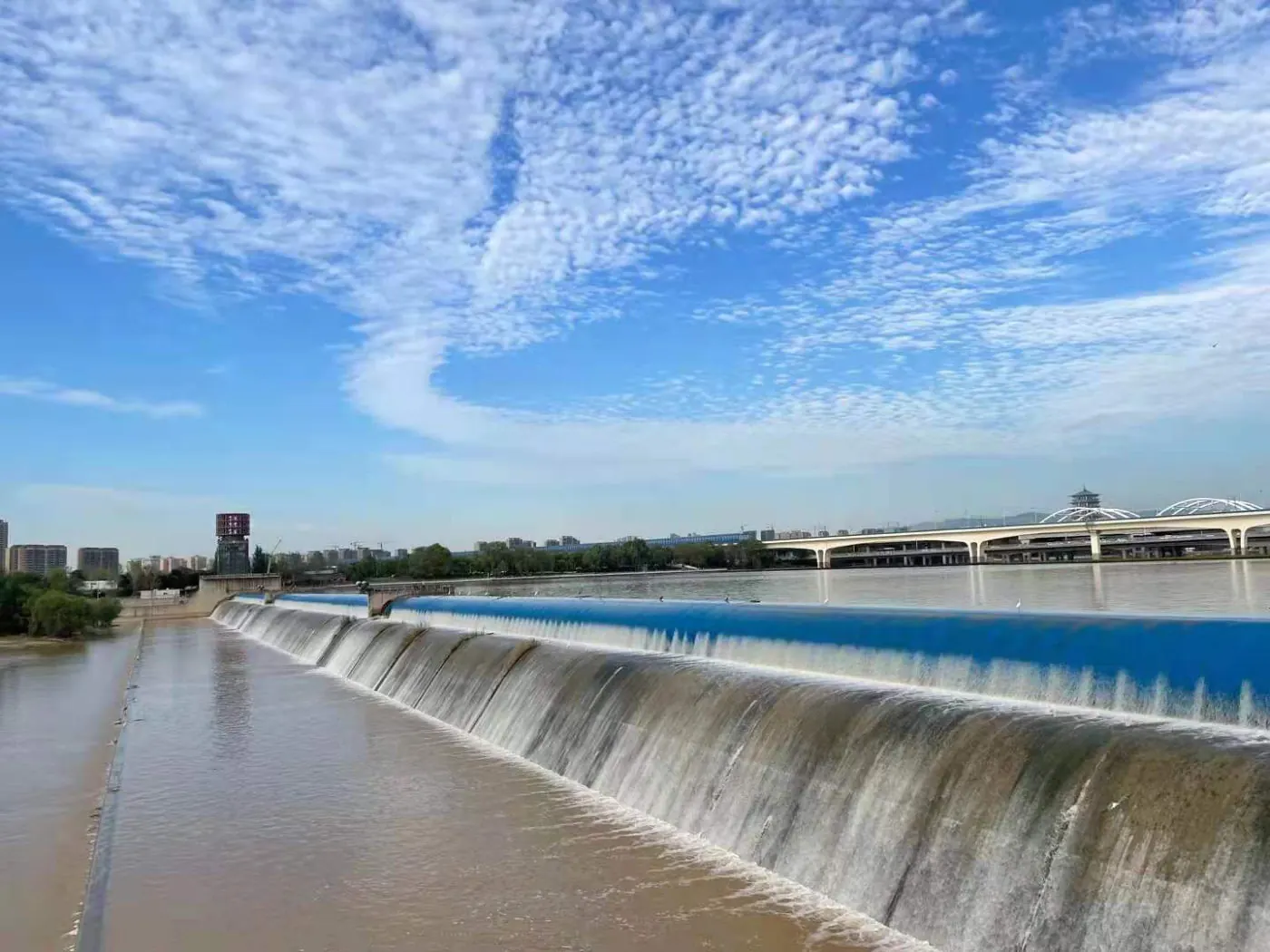
Durable fabric-reinforced inflatable dam solutions — filled with water or air for an adjustable water-retaining height. Ideal for irrigation, power generation, flood control, river regulation and ecological landscaping.
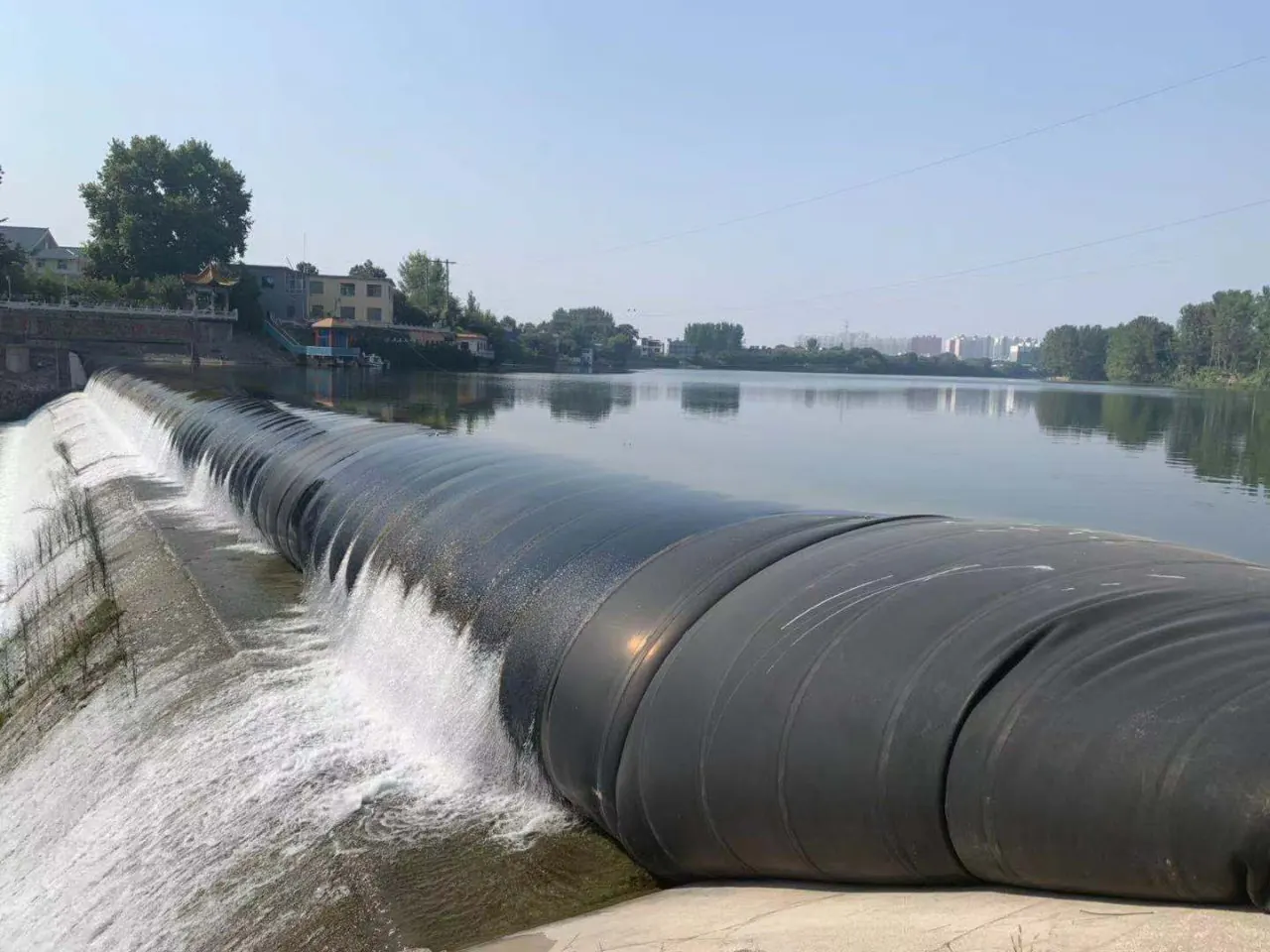
A rubber dam — also known as an inflatable weir or rubber weir — is a water-retaining structure made of synthetic rubber with impregnated nylon canvas as its reinforced skeleton. The bag is clamped along both edges to the base slab to form a sealed bag: in the dry season the bag is filled with water or air to raise the dam and store water; when flood comes, the medium is released and the bag collapses flat onto the foundation, restoring the original river cross-section.
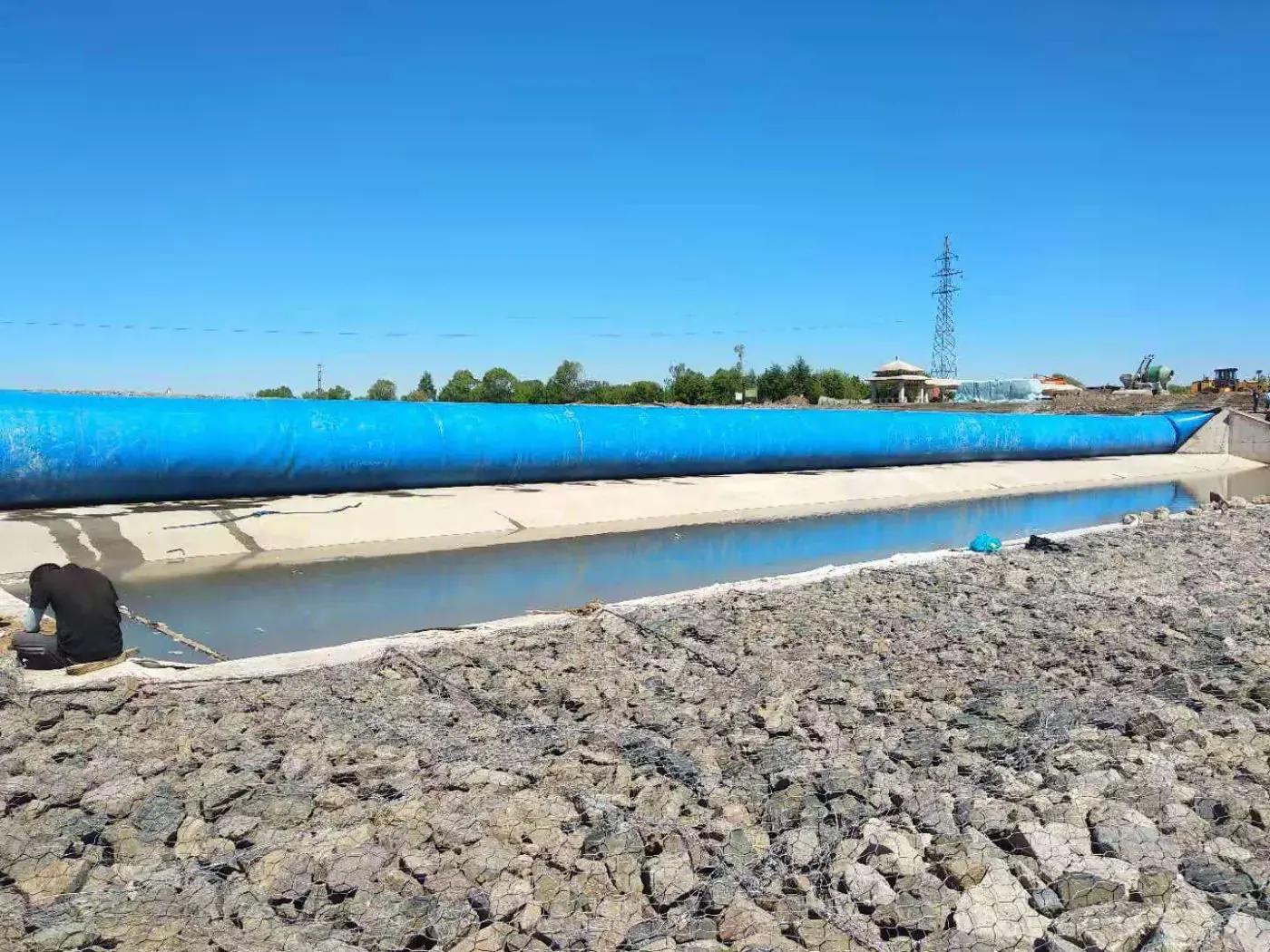
The bag form is chosen from the river cross-section, flow regime and upstream/downstream water-level control requirements.
A pillow-shaped bag with a simple structure and high water-storage efficiency. The most widely used form for straight river reaches where the upstream and downstream water levels are controlled on a flat foundation slab.
A slope-mounted bag offering stable discharge, suitable for complex terrain, high-flow conditions and sites where the bag must be anchored onto inclined banks or existing concrete structures.
Performance comparison to help you choose the right filling medium for your project.
| Comparison Item | Water-Filled (Hydraulic Type) | Air-Filled (Pneumatic Type) |
|---|---|---|
| Inflation Method | Inflated by water pump | Inflated by blower |
| Lifting Speed | Uniform crest lifting / lowering | Faster response |
| Construction Cost | Higher (larger base, pump and pipeline) | Relatively lower cost |
| Energy Consumption | High (large-power water pump) | Lower energy consumption |
| Operation Stability | Self-weight damping, stable operation | Prone to vibration (anti-vibration measures available) |
| Emptying Feature | Longer emptying time | Faster emptying; risk of central sag and uneven discharge |
| Winter Adaptability | Risk of ice formation | No icing risk |
The table covers the specification differences; the operational ones are longer-form — see water-inflated vs air-inflated rubber dams in service for winter behaviour and emptying risk.
A mature technology with more than 30 years of service records — simple, economical and beautiful.
Lowest cost per metre of retained water. Simple structure means less civil work, faster construction and lower lifetime cost.
A single bag spans the whole river section without intermediate piers — maximum flood-discharge capacity and nothing to snag debris.
The uninterrupted crest forms a clean, even waterfall sheet — a favourite for urban waterfront and landscape projects.
Factory-vulcanized bag with simple anchoring; installation takes weeks and an end-of-life bag is replaced in days.
How much each advantage is worth depends on the sector — the same bag is specified differently for irrigation, hydropower and coastal tide control, and the site decides the filling medium and the anchoring class.
The air shield dam adds steel protection at a higher cost. In the following situations, the conventional rubber dam is usually the smarter choice:
High-strength fabric-reinforced rubber bags, vulcanized into one homogeneous body — the impregnated nylon canvas forms the reinforced framework that carries the load, the cover compound holds 400% elongation at break, and there are no glue lines or secondary ageing.
Layer combination (outer to inner): outer rubber · canvas ply (1–3 layers) · middle rubber · canvas ply · inner rubber — one-shot vulcanized. Model suffix -2 = 2-ply fabric / 3 rubber layers; suffix -3 = 3-ply fabric / 4 rubber layers. How the choice is made at each height class: rubber dam bag thickness, 2-ply vs 3-ply.
Full-range custom-built dam bags: specification, tensile strength, colour and anchoring solution can be customized per project. Use the Quick Specification Selector below for the standard model at your design height, or download the brochure (PDF) to forward to your design institute. If the end use is still open, start from the eight fields of application instead.
One PDF covering both product lines — ready to forward to consultants, design institutes and tender packages.
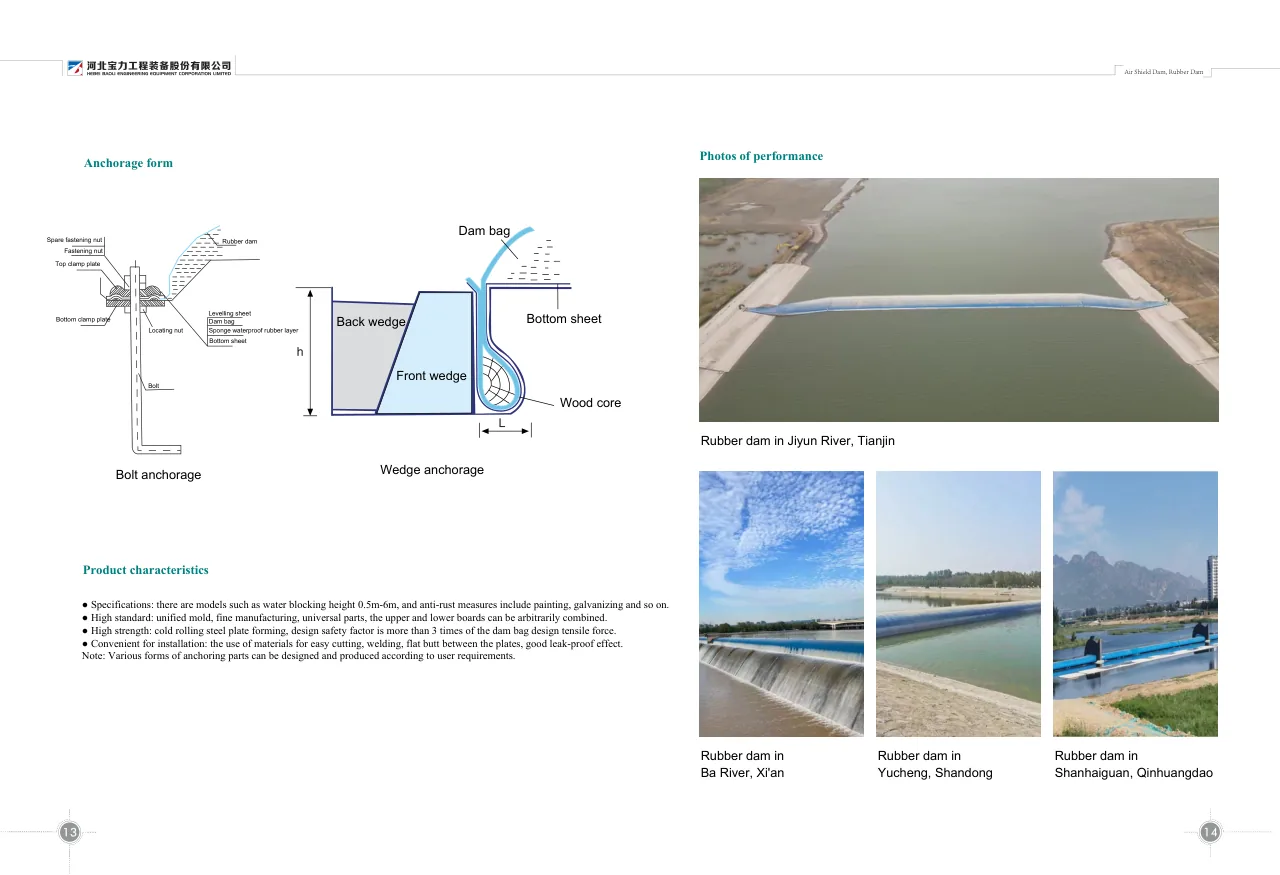 PDF · 11 pages
Need pages matched to your project? Send us the dam height and span and we will reply with the relevant sections and project photos.
The dam bag is moulded and vulcanized in a single operation — the whole bag is seamless, with no secondary vulcanization joint.
Our 32 m seamless vulcanizer, with 13,738 t clamping force, fabricates dam bags up to 7.5 m in one piece. Rubber and canvas are vulcanized together in a single cycle, so the finished bag carries no longitudinal seam.
Select your design dam height and see the standard JBD configuration instantly — dam bag model, canvas grade, anchoring plates and bolts. Non-standard heights and spans are engineered case by case.
Pricing is quoted per project from your technical parameters — the minimum price we quote is USD 120 per square metre, and delivery lead time is confirmed per project in the contract. See what determines the price.
Standard water-filled pillow type. 6.0 m class and non-standard spans are engineered case by case.
The waterproof foundation poured on the riverbed. The bag is fixed on top of it and it carries all water thrust.
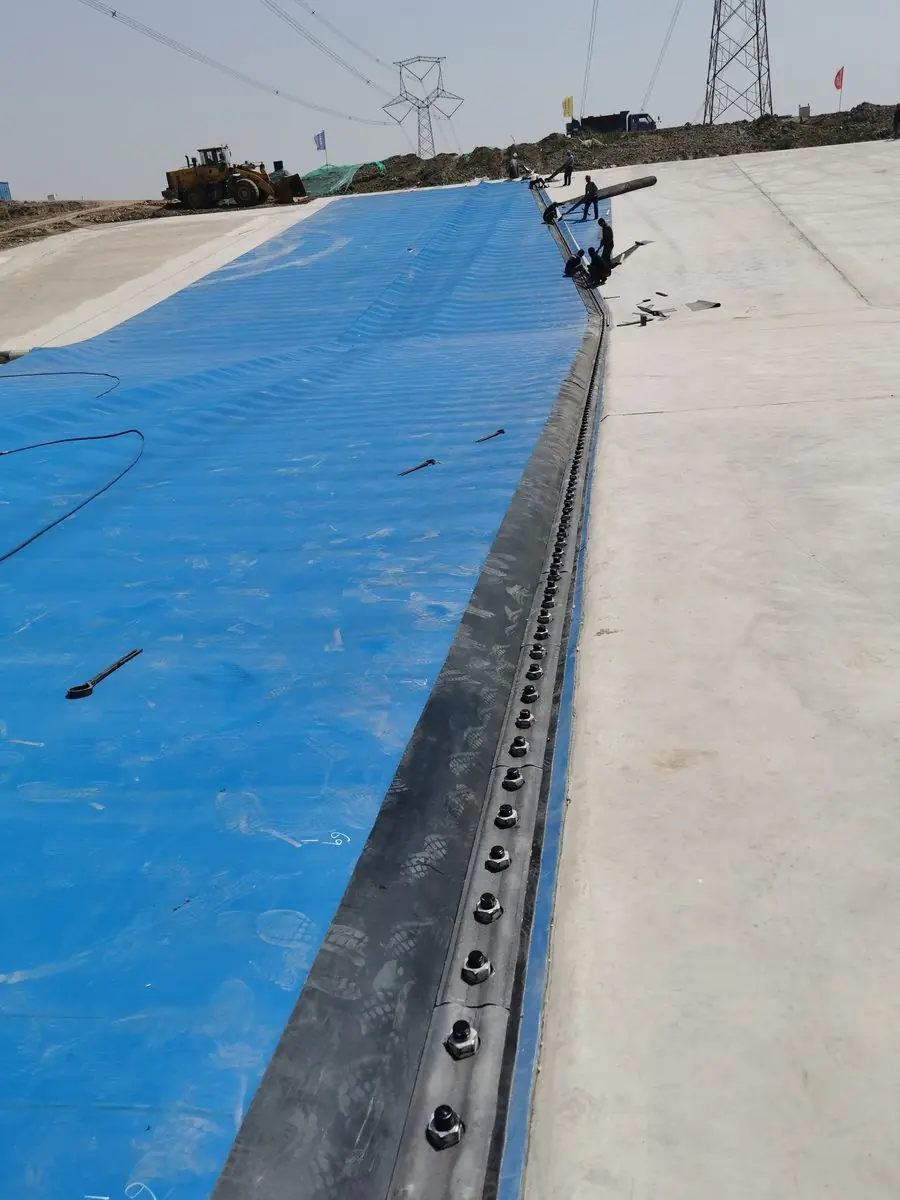
Embedded bolts and pressure plates clamp both edges of the bag so it cannot shift or peel off under water pressure.
A flexible shell of rubber bonded to impregnated nylon canvas. Filled with water it stands up and stores the river; deflated it lies flat and lets flood pass.
Buried pipe that pumps water in or lets it out; the control cabinet automates the whole raise / lower process.
The command centre: automatic and manual modes, level sensors and remote APP control keep the dam at the target height.
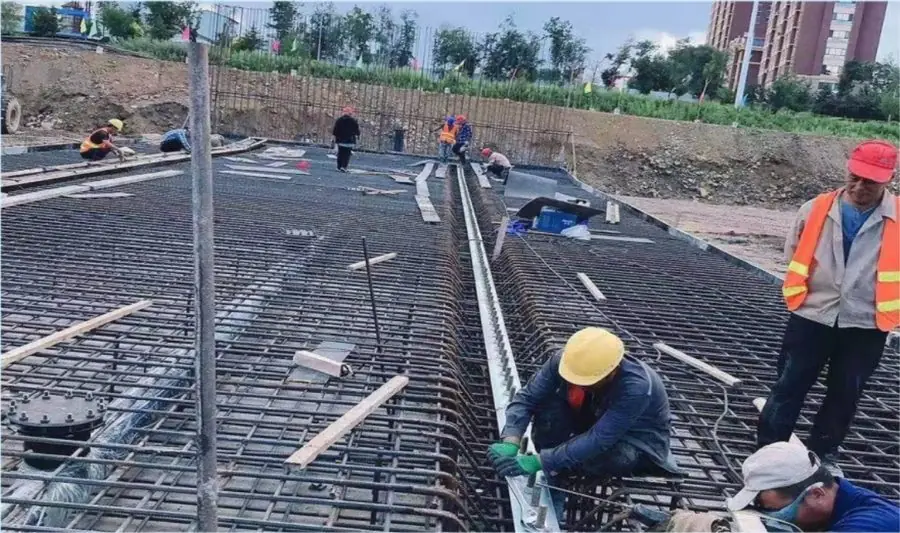
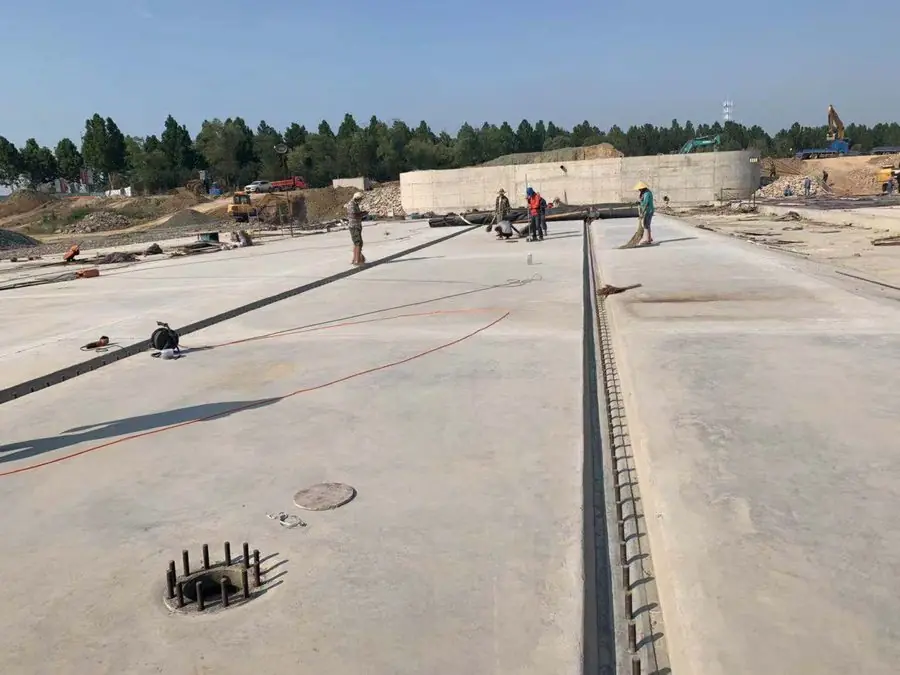
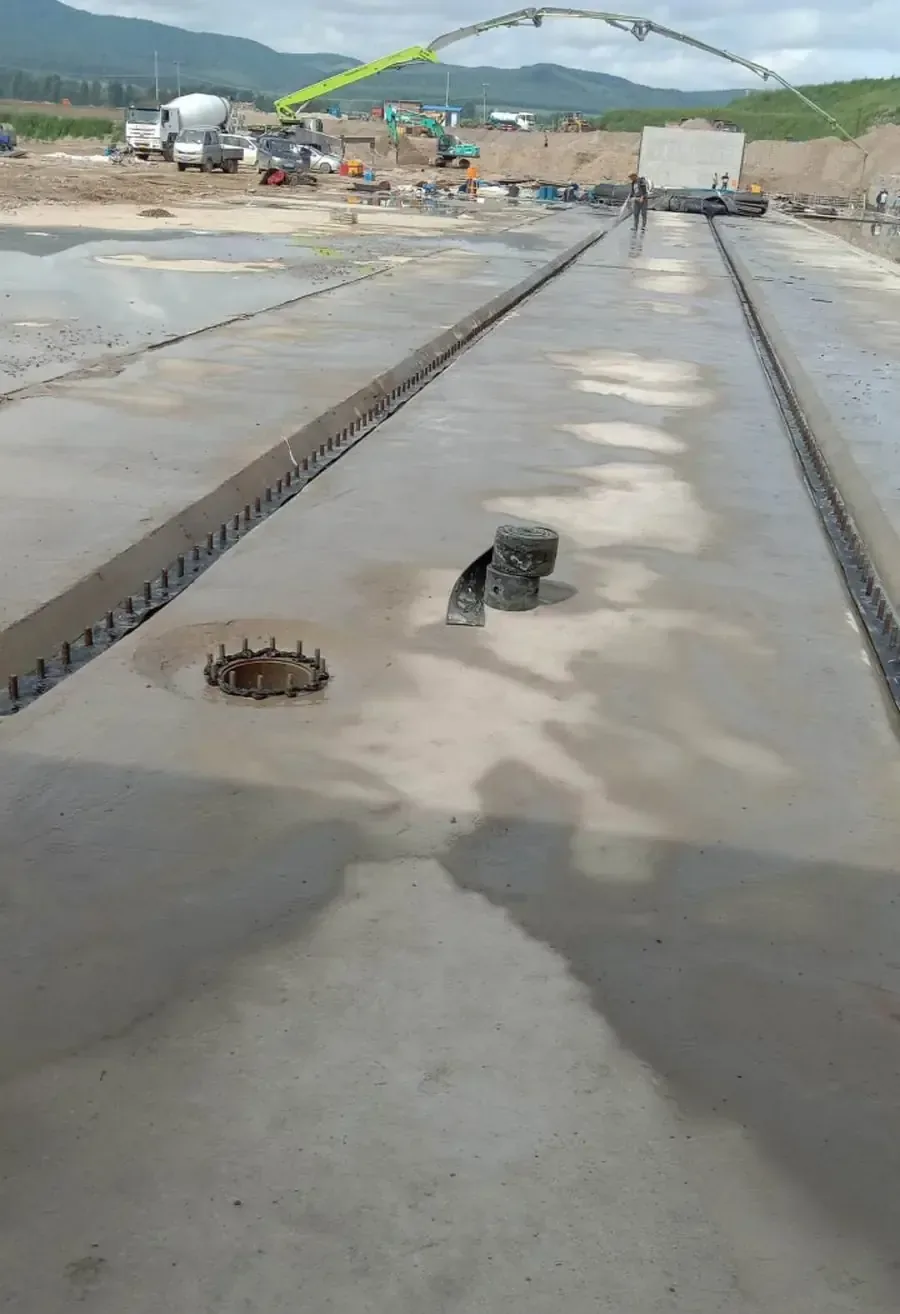
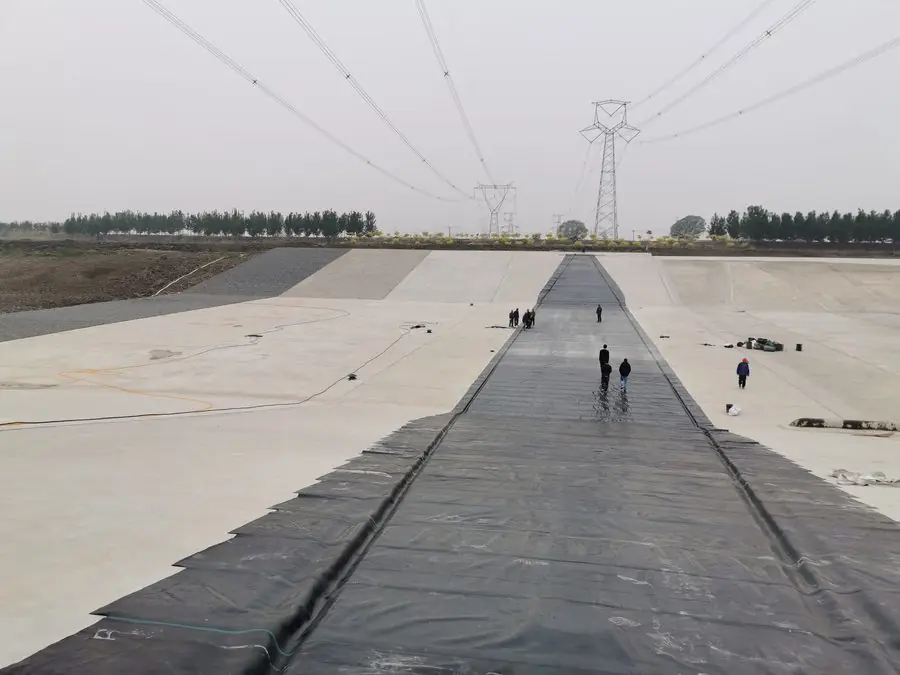
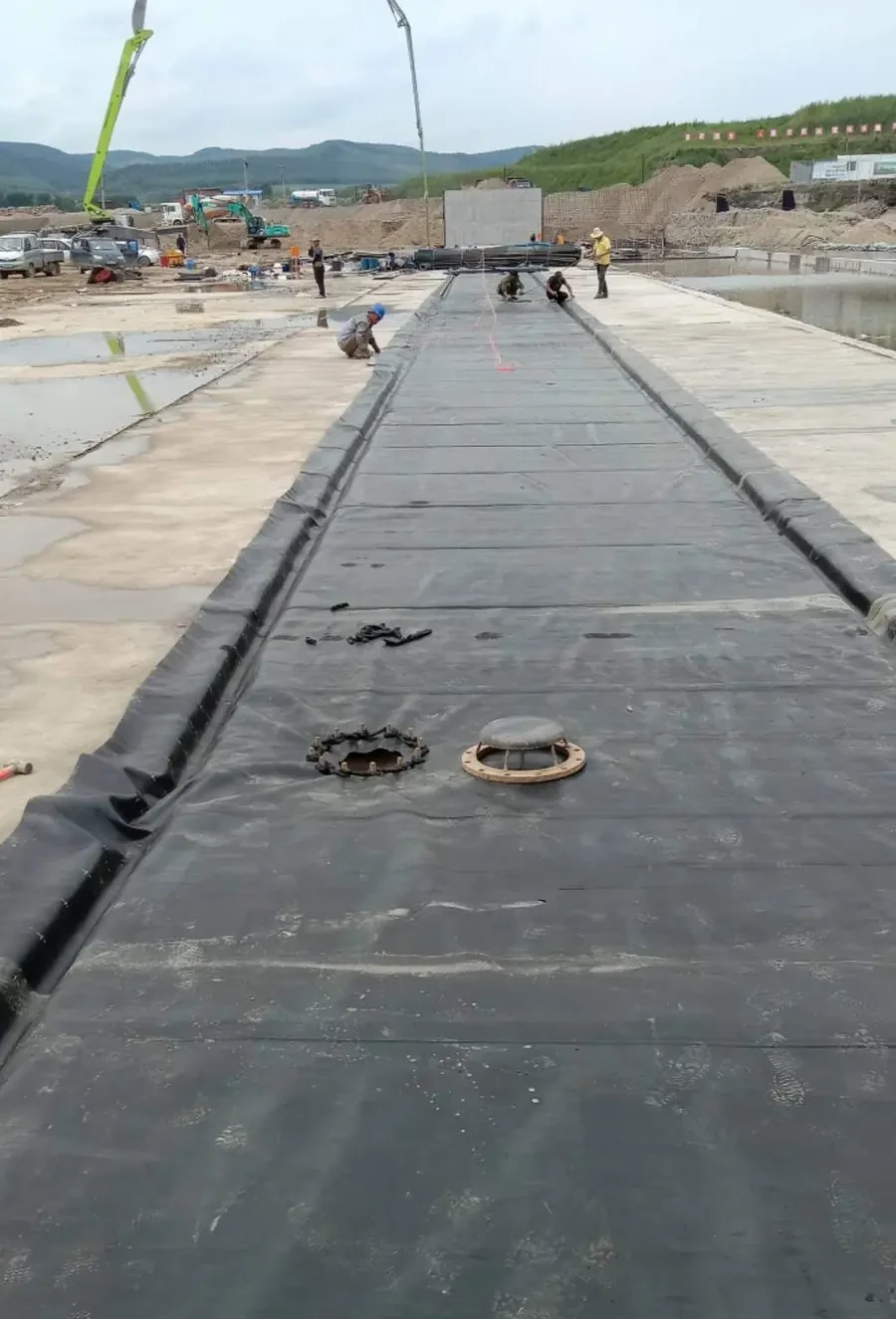
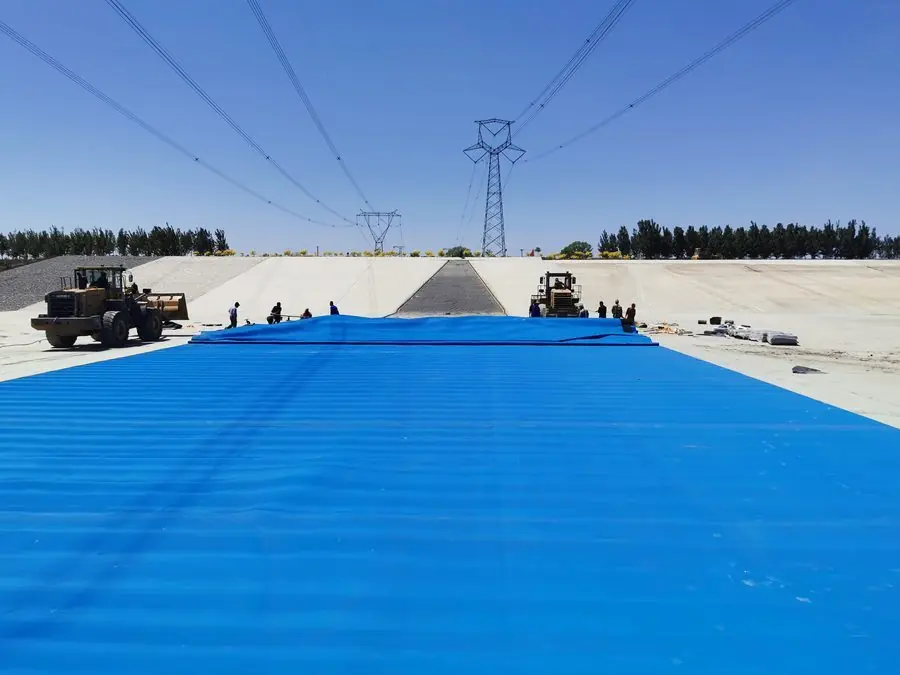
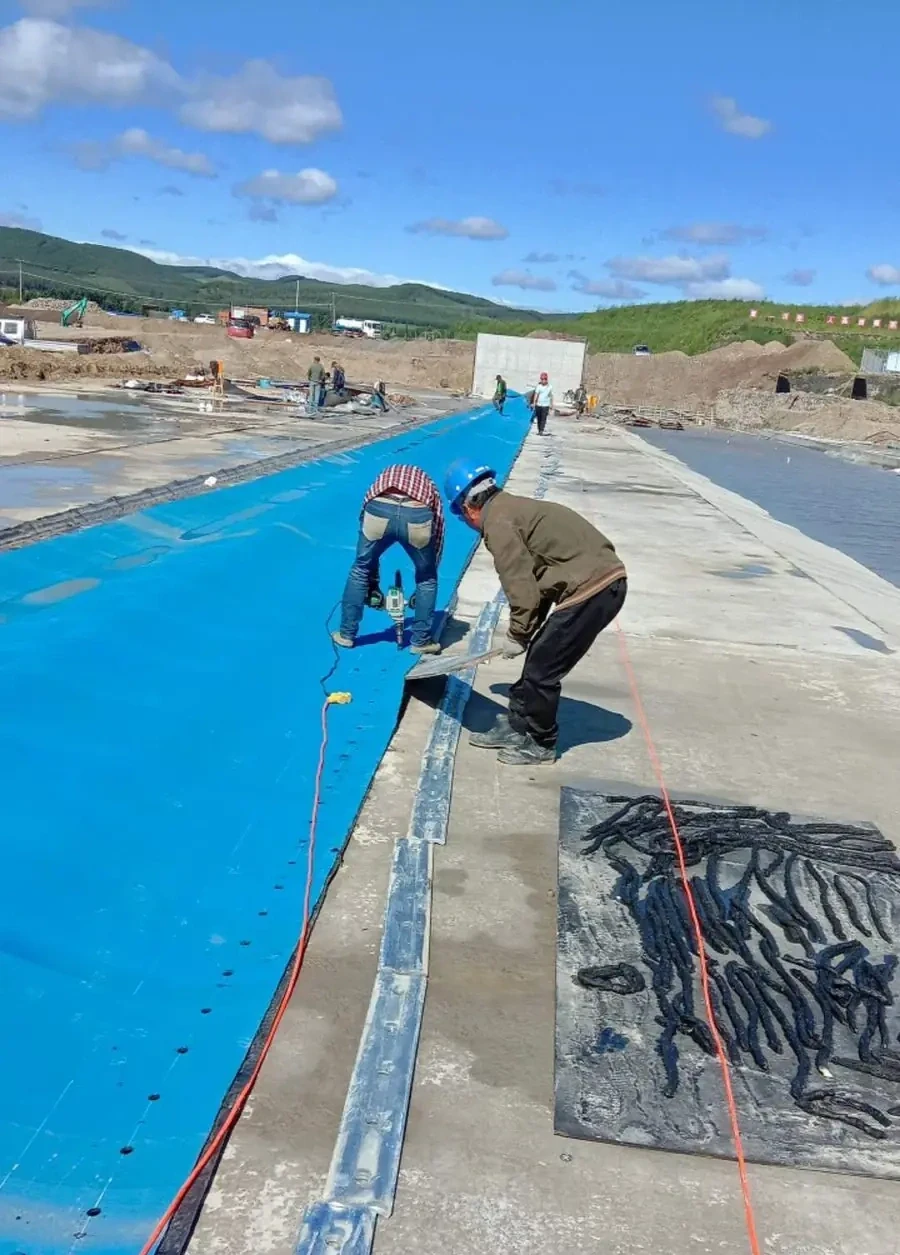
Standardized procedures with professional on-site technical guidance ensure reliable project quality — real photos from our installation sites.
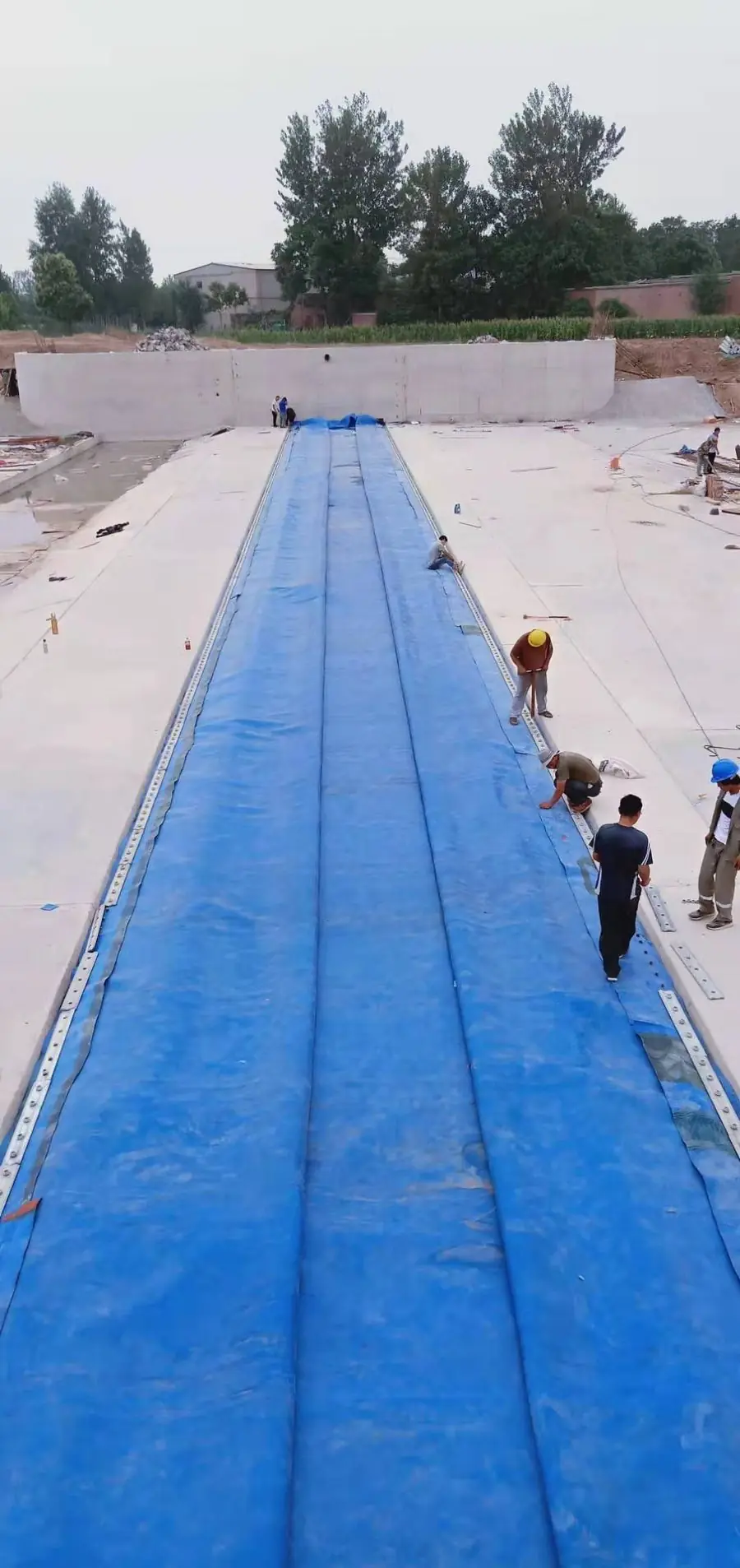
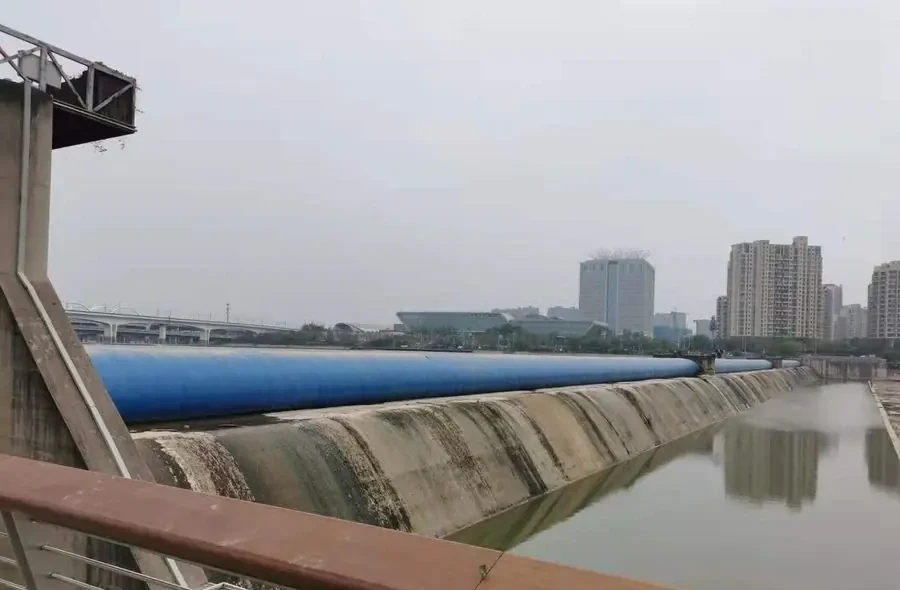
Water-retaining height, span, colour and anchoring method are all customizable. Tell us your site conditions and we will propose the right specification. Height, span and anchoring questions are answered first in the rubber dam FAQ.