
✉ baolishare@gmail.com 📞 +86 150 3086 2868 📍 No.13 Rubber & Plastics Road, Development Zone, Hengshui, Hebei, China

Technical Knowledge Base

Practical engineering answers for design institutes, contractors and dam owners — bag selection, inflation systems, anchoring, control and durability, written from our own design tables and reference projects.

12 articles · six topics — selection, design, installation, control, cost and operation · written from our own design tables and 132 reference projects.

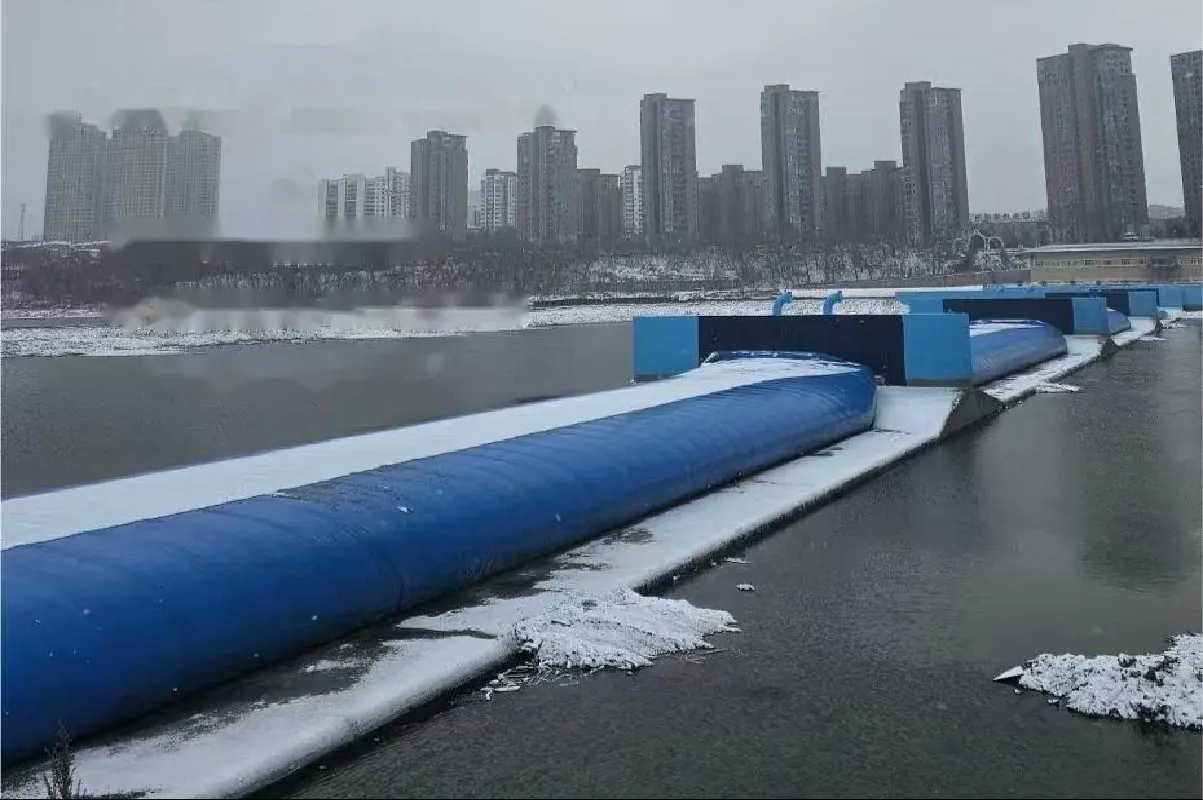
A rubber dam and an air shield dam compared across a river reach
Selection

Rubber Dam vs Air Shield Dam: Which System Fits Your Site?

Two deflatable systems, one factory — compared on structure, debris, sediment, overflow, ice and maintenance, with the trade-offs on both sides stated plainly.

  • The shared idea and the different shells
  • What the water touches in each system
  • Which one belongs on which site
October 2026 · 8 min read · Read article →
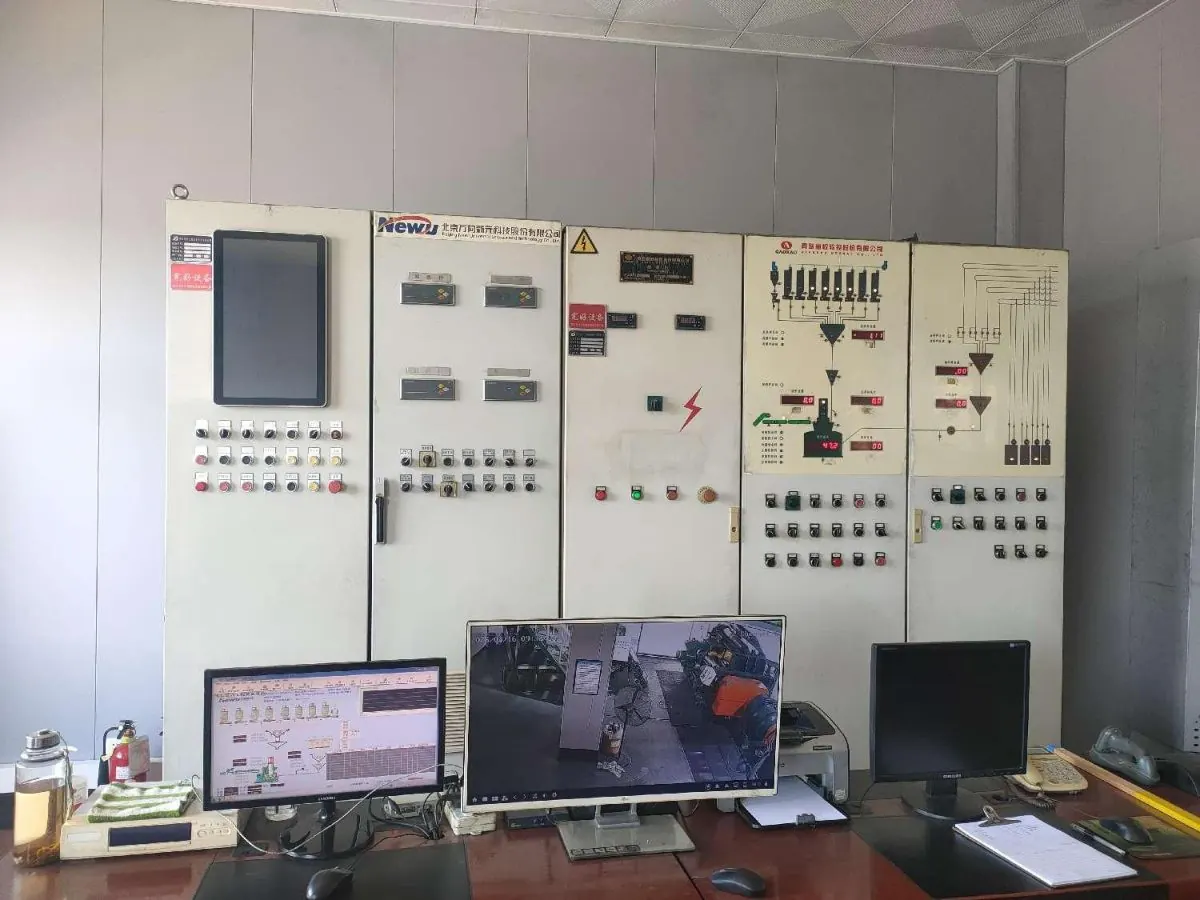
Control room of an inflatable rubber dam installation
Selection

How to Choose a Rubber Dam: A Practical Selection Guide

The decision in the order it actually happens: duty, filling medium, height class, anchorage, control level — and the site data that turns a catalogue page into a quotation.

  • Start with the job, not the catalogue
  • Medium, height class, anchorage, control
  • The site data checklist
October 2026 · 7 min read · Read article →
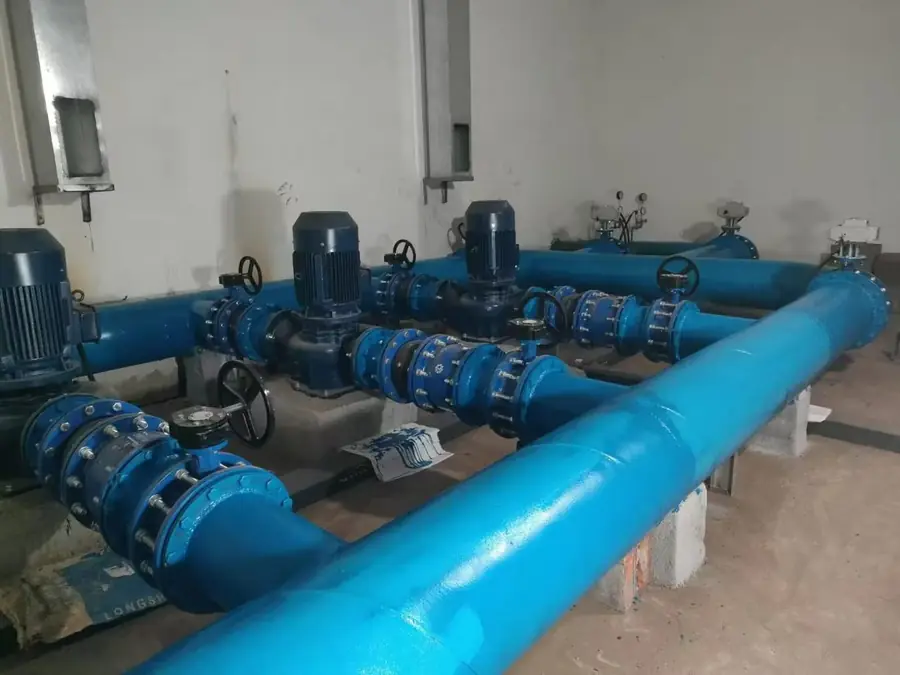
Pump room equipment serving an inflatable rubber dam
Operation & Maintenance

Rubber Dam Operation & Maintenance: A Practical Owner's Guide

The commissioning filling test, the dry-season and rainy-season operating rules, and the four-tier maintenance ladder — condensed from the manual we ship with every dam.

  • Step 1: The commissioning filling test
  • Step 2: Operating rules that are never bent
  • The seasonal playbook
October 2026 · 9 min read · Read article →
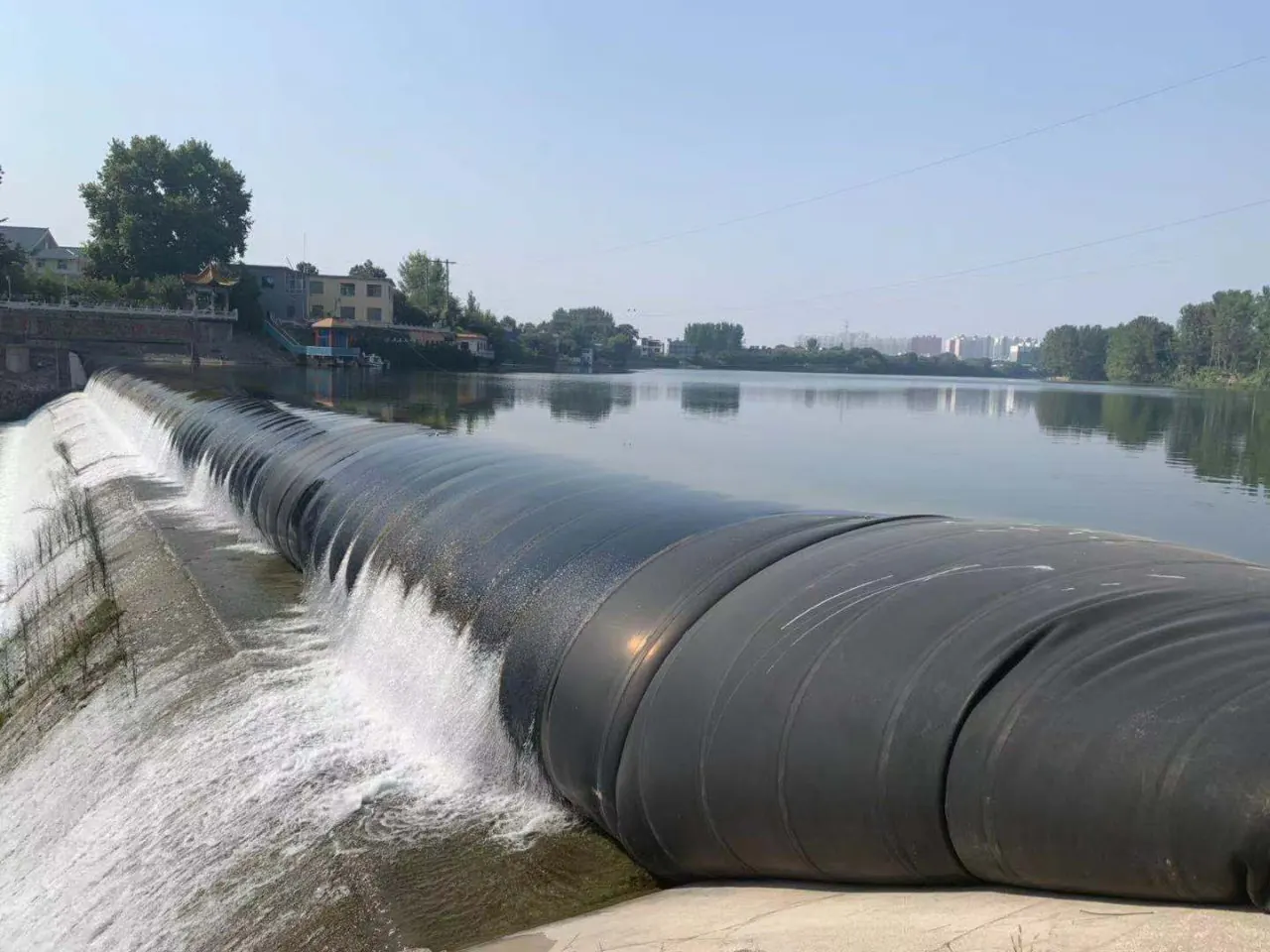
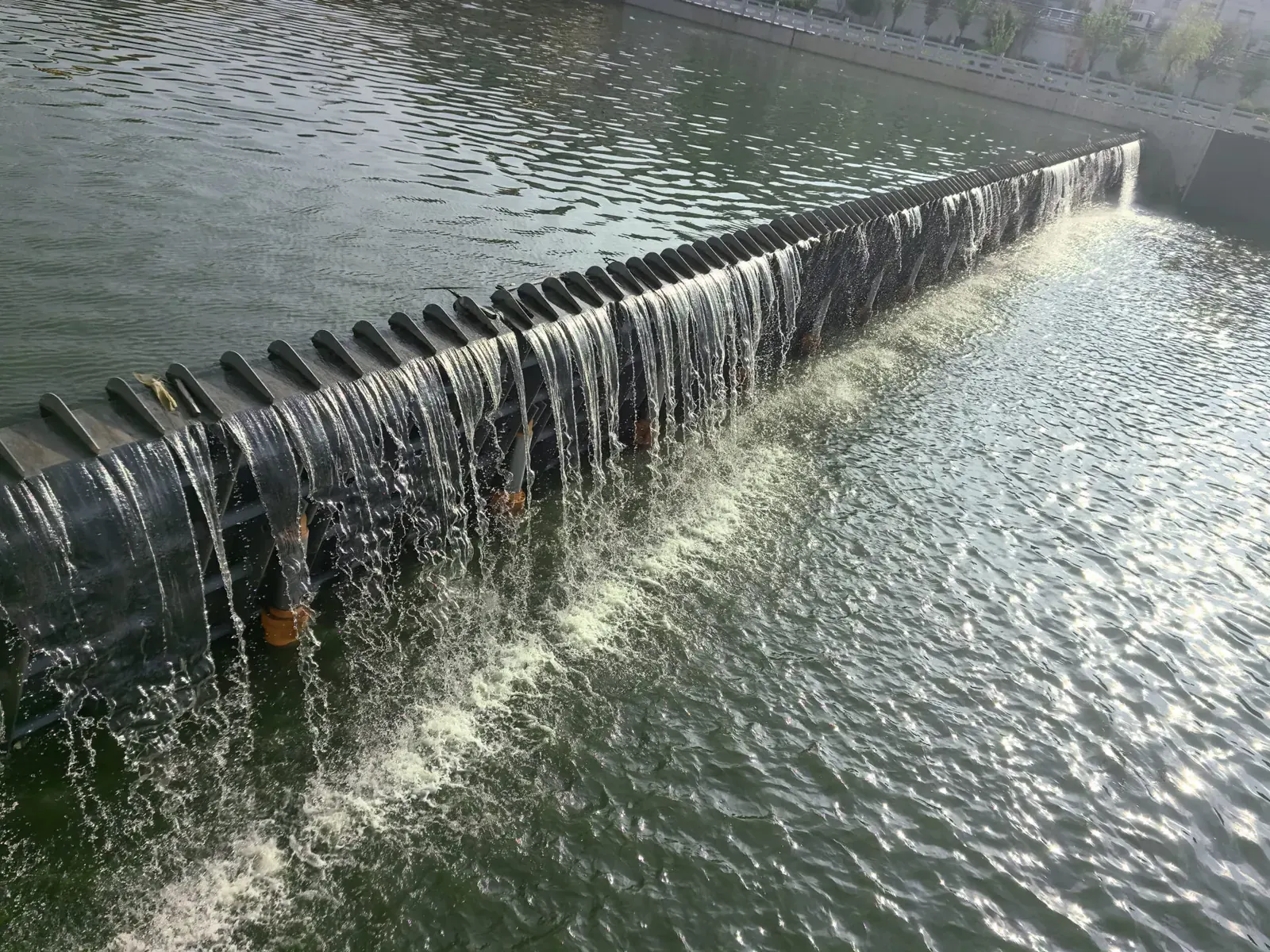
Water overflowing the crest of an inflatable rubber dam
Procurement

How Much Does a Rubber Dam Cost? What Determines the Price

Why a rubber dam has no list price: the seven cost drivers, the minimum reference price per square metre, and how lead time is confirmed per project.

  • Why rubber dams are quoted, not listed
  • The seven cost drivers
  • The one number we do publish
October 2026 · 7 min read · Read article →
Jiyun River rubber dam in Tianjin holding a fresh-water pool on a plain tidal river
Project Spotlight

Project Spotlight: Jiyun River, Tianjin — a 5.5 m × 120 m Single-Span Salt Barrier

Holding fresh water against the salt tide near Bohai Bay — the 5.5 m class bag and anchoring schedule, and why deflatable dams win on plain tidal rivers.

  • The river’s problem: a salt tide with no gradient to fight it
  • What the 5.5 m class looks like in the design matrix
  • Anchoring a line that pulls 98 t per metre
October 2026 · 6 min read · Read article →
Songhua River rubber dam in Jilin spanning a wide ice-covered continental river
Project Spotlight

Project Spotlight: Songhua River, Jilin — a 5 m × 260 m Cold-Region Dam

A 5 m bag across 260 m of an ice-covered great river — the 5 m class matrix data, M36 anchoring, and the winter lay-up strategy that handles the spring ice run.

  • What a continental river demands
  • The 5 m class in the design matrix
  • Winter is the design case, not the exception
October 2026 · 6 min read · Read article →
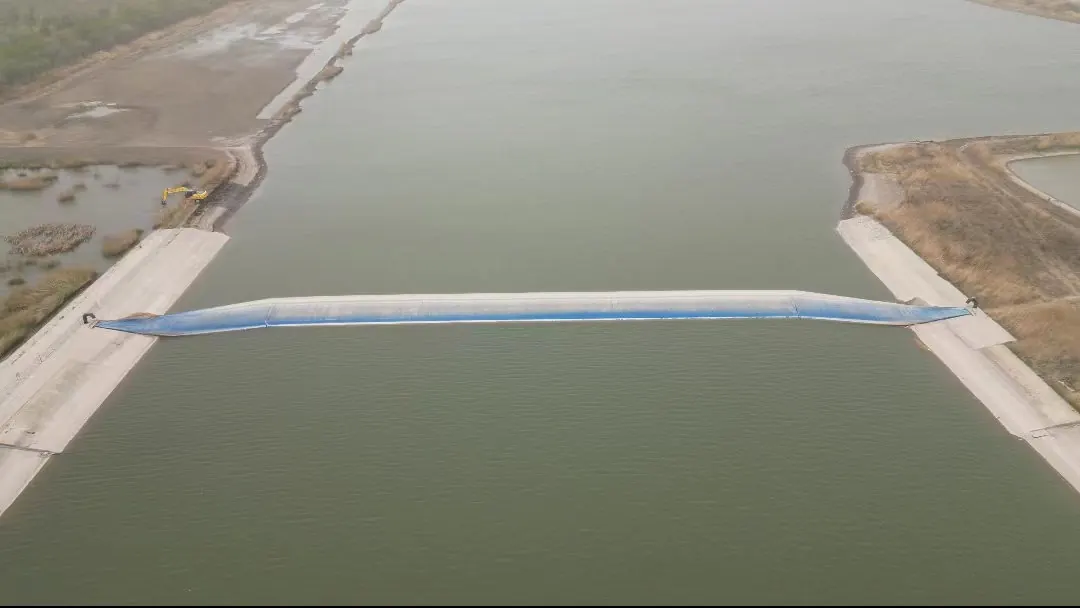
Wide river with an inflatable rubber dam
System Comparison

Rubber Dam vs Steel Gate: Which Fits Your River Project?

Span, head, obstruction, actuation and cost — a nine-factor comparison of the inflatable weir and the steel gate, with real project numbers, and the two questions that settle most decisions.

  • How each system works
  • Head-to-head comparison
  • Where the rubber dam wins
September 2026 · 8 min read · Read article →
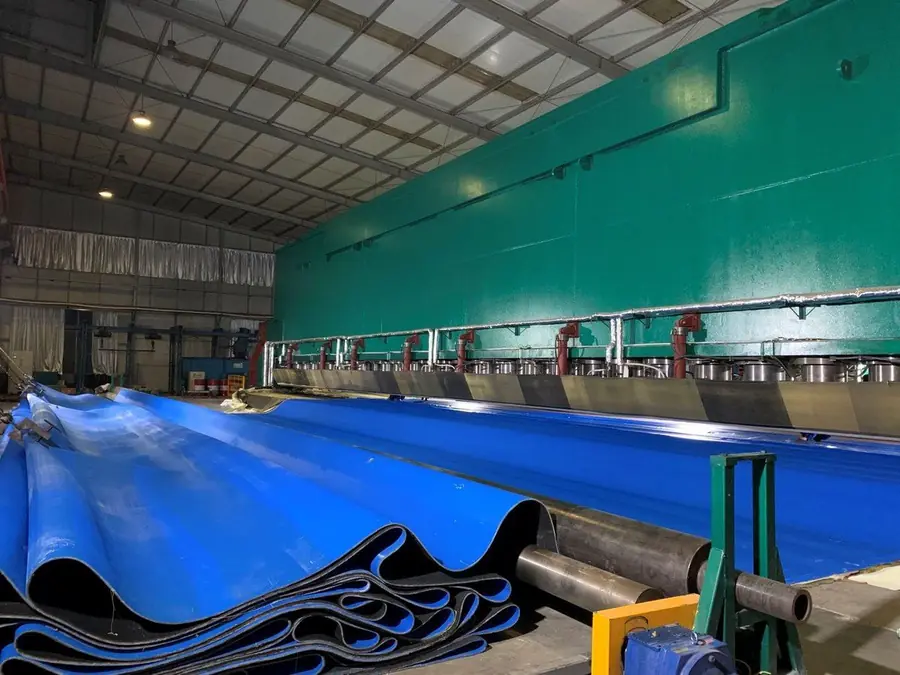
Rubber dam bags in the production workshop
Dam Bag

How to Select Rubber Dam Bag Thickness (2-ply & 3-ply)

The JBD selection ladder explained: canvas grades J1010–J3636, the 2-ply → 3-ply step at 4.5 m, and why vulcanizing pressure matters as much as laminate.

  • Inside the sandwich: canvas does the work, rubber protects it
  • The selection ladder: dam height decides the model
  • Reading the model number
September 2026 · 9 min read · Read article →
Pump room of a water-inflated rubber dam
System Comparison

Water-inflated vs Air-inflated Rubber Dams: A Design Comparison

Pump room vs blower, crest overflow behaviour, response speed and winter operation — plus the internal-pressure ratio logic behind the water-filled design.

  • Same bag, different working medium
  • The internal-pressure principle behind the water-filled design
  • Control is where both systems converge
September 2026 · 7 min read · Read article →
Control room and operator interface of an inflatable rubber dam
Engineering

Rubber Dam Control Systems: Manual, Auto or Remote?

Three control levels, what each one reads from the river, and the failure mode each one trades away — plus how to close the gaps in a tender line.

  • What the control system is controlling
  • Manual, sensor-linked and remote — compared
  • How to specify it in a tender
October 2026 · 8 min read · Read article →
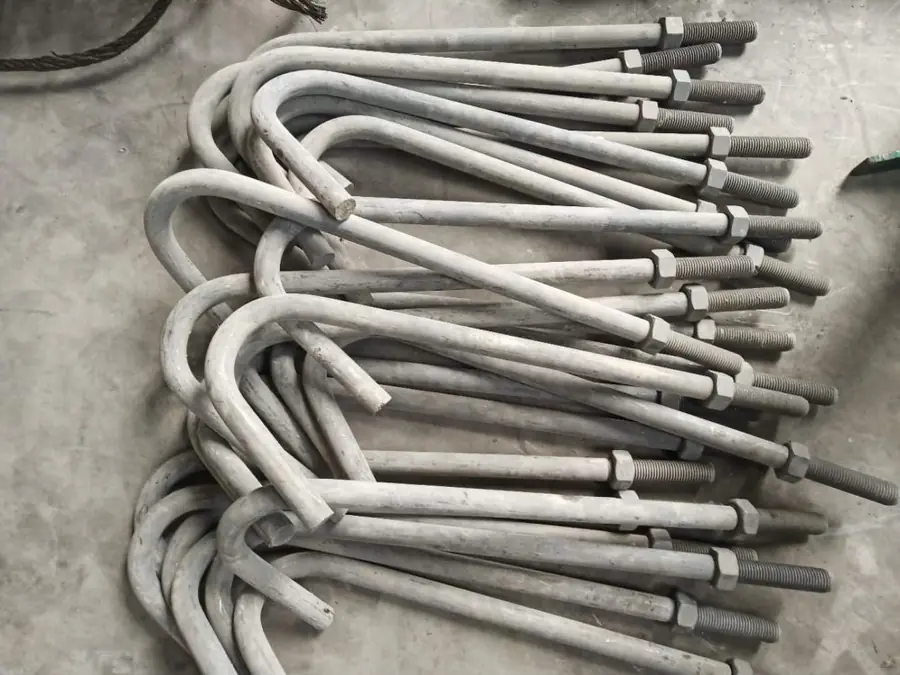
Galvanized anchor bolts for rubber dam anchoring
Engineering

Rubber Dam Anchoring Systems: Clamp Plate, Anchor Bolt or Concrete Wedge?

Clamp-plate vs wedge anchoring — plate and bolt schedules from M20 to M36, the forces up to 117 t/m, and corrosion protection in practice.

  • System 1: clamp-plate anchoring (the industry standard)
  • System 2: concrete wedge (tenon) anchoring
  • What the anchorage actually has to hold
September 2026 · 8 min read · Read article →
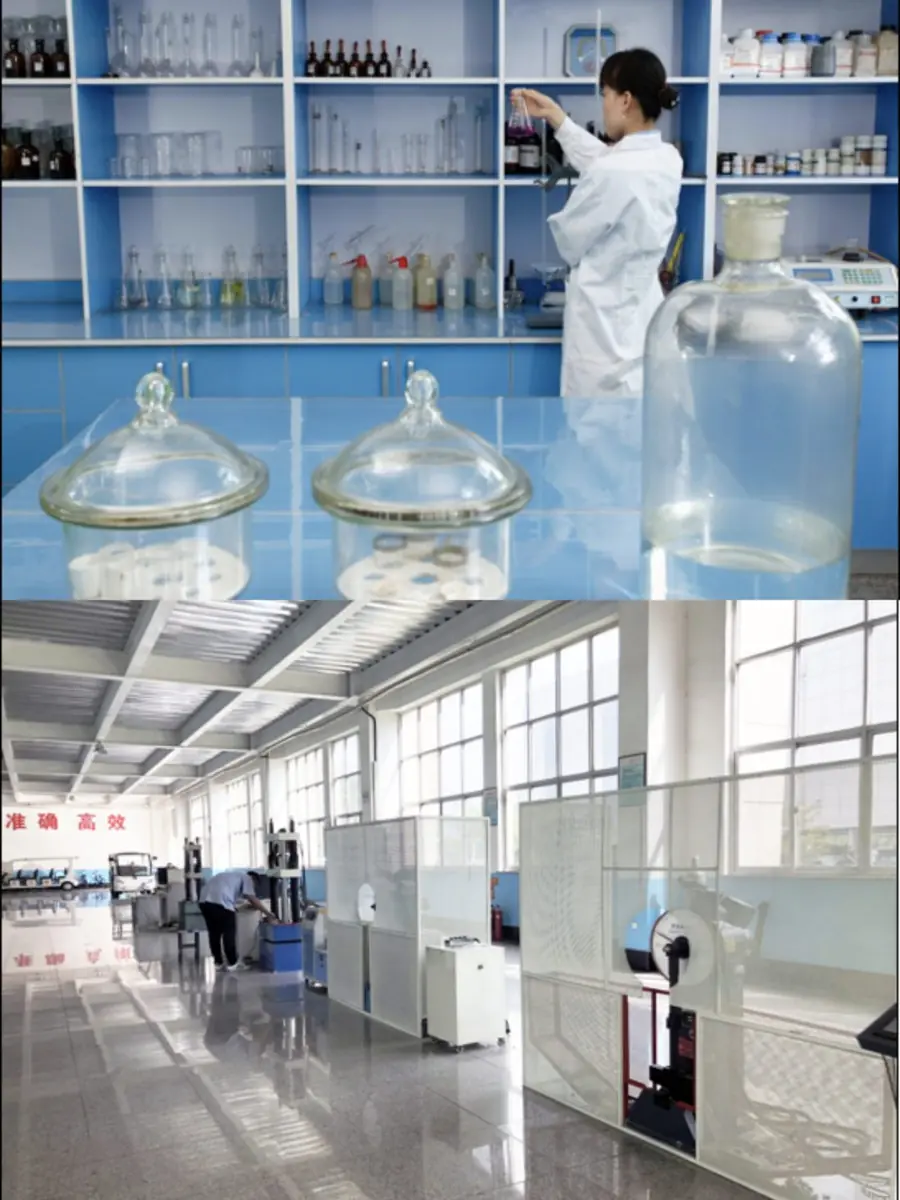
QC laboratory testing rubber samples
Durability

Design Life of a Rubber Dam Bag — and What Determines It

No honest fixed number — instead: the compound’s verified tensile and elongation values, the five degradation drivers, and the factory decisions that prevent delamination.

  • The baseline: what the compound must guarantee
  • The five degradation drivers — and the countermeasures
  • The manufacturing factor: pressure decides bonding
September 2026 · 8 min read · Read article →